Media content
Translating findings into visuals
|
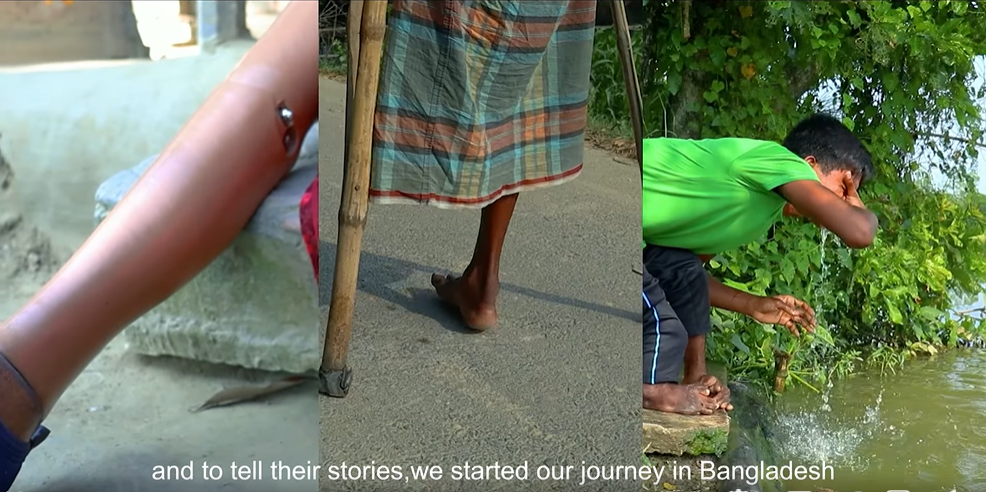
🔍 Did you know? Persons with disabilities in Bangladesh face significant barriers in accessing safe and inclusive Water, Sanitation, and Hygiene (WASH) services—often due to inaccessible infrastructure and overlooked design.
As one of the proud researchers in this multicountry project at icddr,b, I had the privilege of working on a nationwide study in collaboration with the London School of Hygiene & Tropical Medicine (LSHTM) and Bangladesh Society for the Change and Advocacy Nexus (B-SCAN). Our goal was to explore WASH accessibility among persons with disabilities across Bangladesh. |
|
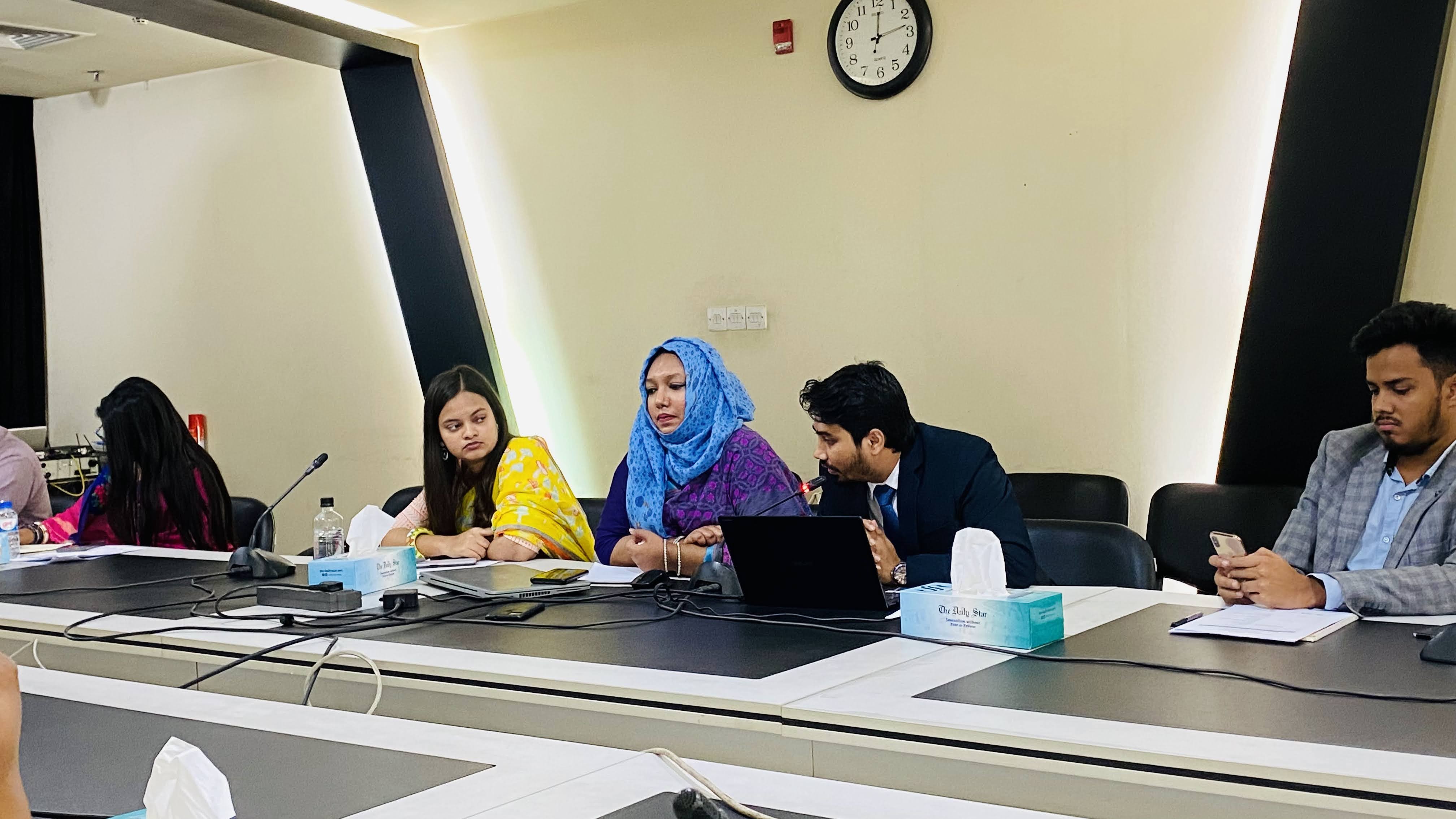
Access to water a concern for them... [by The Daily Star]
|
A nationwide study in Bangladesh, conducted by B-SCAN in collaboration with icddr,b, revealed significant barriers to access to water, sanitation, and hygiene (WASH) for people with disabilities and older adults. Among 2,378 participants across 32 districts, nearly half of those with disabilities struggle to collect water personally, and 14% face difficulty accessing drinking water at home. Over 90% lack access to wheelchair-friendly facilities, and 55% report no privacy while bathing. The study also highlighted menstrual hygiene challenges, with more than half of female respondents not using sanitary napkins during their last cycle. Experts emphasized the need for mindset shifts, inclusive infrastructure, and better data to inform policy and development efforts |
|

Contact:
Mehedi Hasan
Email: mehedihasan@arizona.edu
Phone: +1 (520) 269 5013
Connect: